

You open a soda and it still feels warm. Before turning the dial to its coldest setting, check whether the temperature you selected suits the drinks inside.
Keep your beverage fridge temperature at 38–40°F (3.3–4.4°C) for a mix of soda, sparkling water, bottled water, and light lager. For American pale ales and India pale ales (IPAs), 45–50°F (7.2–10°C) brings the beer into its recommended serving range.
What temperature should you use for different drinks?
Choose the best temperature for a beverage fridge around the drinks you reach for most. Keep everyday cans cold, and give fuller-flavored beers a little more warmth.
| Drinks | Recommended temperature |
|---|---|
| Mixed soda, sparkling water, bottled water, and light lager | 38–40°F (3.3–4.4°C) |
| Pale lagers and pilsners | 38–45°F (3.3–7.2°C) |
| American pale ales and IPAs | 45–50°F (7.2–10°C) |
The American Homebrewers Association lists the beer serving ranges used here. These are serving recommendations, not instructions for aging beer. [1]
Wine needs a separate plan when you want it warmer than canned drinks. Use separate temperature zones or a separate wine cooler. A single-zone cabinet has one setpoint; placing wine on another shelf does not create an independently controlled zone. Our beverage refrigerator buying guide below explains how temperature zones, capacity, and shelf layout affect the choice.
 RELATED READINGHow to Choose the Right Beverage Refrigerator for Your HomeRead the article
What beer fridge temperature works for mixed drinks?
For a fridge stocked with soda, water, and light lager, 38–40°F keeps the everyday drinks ready to open. An occasional IPA can stay with that collection: pour it into a glass and let it warm toward 45–50°F before drinking.
If American pale ales and IPAs fill most of the shelves, keep the cabinet at 45–50°F. That suits a beer-focused collection and saves you waiting for each glass to warm up.

How do you set and check beverage refrigerator temperature?
For a drinks-only fridge, start with the temperature controls. Check beverage refrigerator temperature with a separate thermometer if drinks stay warm, begin to freeze, or seem colder or warmer than the display suggests.
- Set the control. Select a temperature within the range for your drinks. With a numbered thermostat dial, use the manual's recommended setting.
- Give the cooler 24 hours after setup or a temperature change. Keep door openings brief and avoid adding a large load of warm drinks during this period. Follow the model's manual if it specifies a different stabilization time. [2]
- Measure only if the drinks still seem too warm or too cold. Use a glass of water that has chilled on the middle shelf for 24 hours, clear of the rear cooling surface. Measure the water with a clean food thermometer suitable for liquids and refrigerator temperatures, following its reading instructions. This checks a chilled liquid without relying on a brief air-temperature reading. [2]
- Adjust in small steps if needed. Change a digital target by one available increment, or move a mechanical dial one position. Allow the temperature to settle before checking again.
Check the digital panel's instructions to confirm whether the display shows your selected temperature or the current sensor reading.
If drinks remain warm, check that containers are clear of internal vents and that the door closes fully. Restore the installation clearances specified in the manual. For continued cooling problems, see our beverage refrigerator not cooling checklist below.
 RELATED READINGHow to Fix a Beverage Refrigerator That’s Not CoolingRead the article
Can you keep milk and opened juice in a beverage fridge?
Store milk, opened juice labeled “refrigerate after opening,” and other perishable drinks in a refrigerator intended for food storage. Keep its actual temperature at 40°F or below, following the drink's label if it gives stricter instructions. The FDA recommends checking refrigeration temperature with an appliance thermometer. [3]
If you need one small appliance for both drinks and groceries, our beverage cooler vs. mini fridge comparison below explains which features to look for.
 RELATED READINGBeverage Cooler vs Mini Fridge: Which One Fits Your Needs?Read the article
Which Antarctic Star beverage fridge fits your home?
When friends come over, it helps to have the sparkling water, beer, and wine in one place. Choose an Antarctic Star cooler around the drinks you keep on hand and the space you have for them.
Want wine and cans ready for your next get-together?
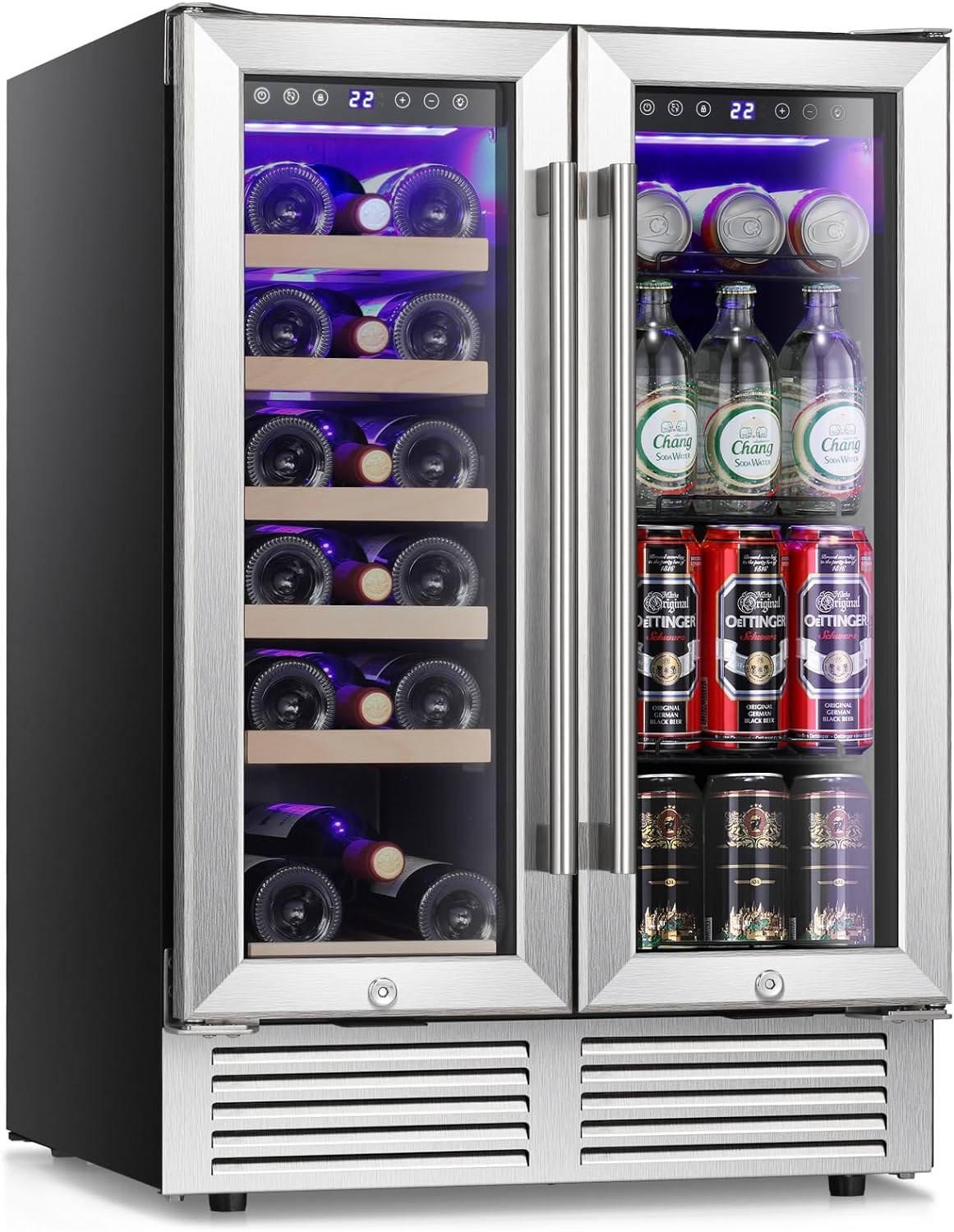
The Antarctic Star 24-inch wine and beverage refrigerator has separate left and right temperature controls, with a listed 36–50°F range. Its rated capacity is 18 standard 750 ml wine bottles plus 66 standard 12 oz cans. Glass doors and interior lighting keep your selection visible, so guests can pick a drink before opening the door.
See the product photos and customer reviews to picture it in your home bar.
Need a freestanding cooler for everyday drinks?
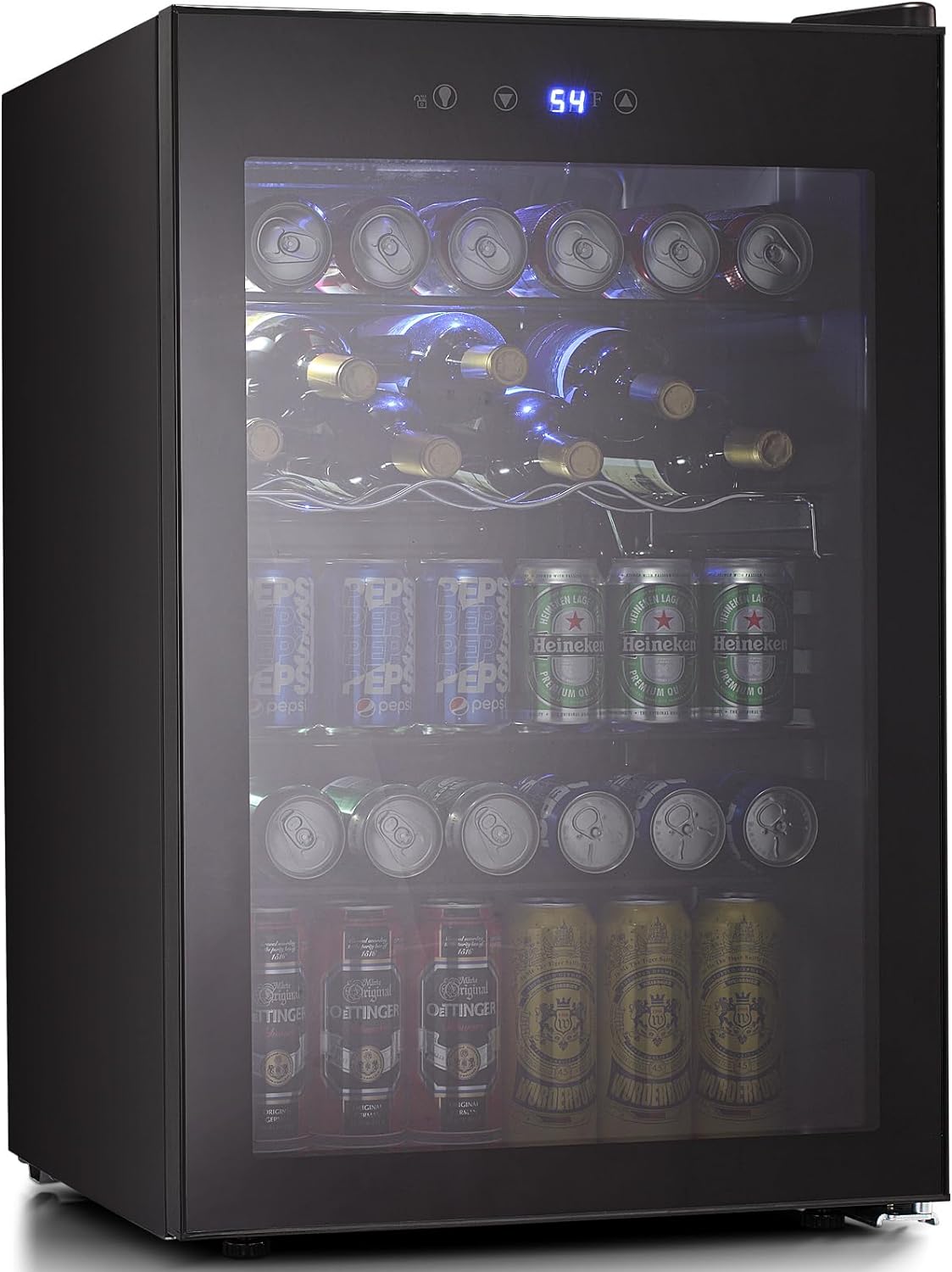
Give your cans and bottles their own shelves with the Antarctic Star 4.4 cu. ft. beverage refrigerator. Movable shelves make room for different bottle heights, while the glass door and blue interior light put your drinks on display. Its 40–61°F range covers chilled everyday drinks at 40°F and warmer ale settings. This model is for freestanding use.
Explore our beverage refrigerator collection to find a size and layout that fit your drinks routine.
Frequently asked questions
Is 5 degrees Celsius cold enough for a fridge?
Yes, for sealed drinks that can be stored at room temperature. Milk and other perishables need a food refrigerator at 40°F or below; 5°C is 41°F.
Is 40 degrees good for a beer fridge?
Yes. 40°F (4.4°C) suits light lager and pilsner. American pale ales and IPAs are better served at 45–50°F (7.2–10°C).
Is 22 degrees too cold for beer?
Yes, if you mean 22°F (−5.6°C): ordinary-strength beer can freeze. At 22°C (71.6°F), beer is warm for chilled serving.
Is 1 or 5 colder on a bar fridge?
5 is colder than 1 on a numbered thermostat dial. Turn toward 5 for more cooling. [4]