

Clear ice and cloudy ice can both keep a drink cold. The main difference is how they freeze: cloudy ice usually contains trapped air bubbles and dissolved minerals, while clear ice forms under a more controlled freezing process that allows much of that air and mineral content to move away from the visible part of the cube.
Cloudy ice is not automatically dirty or unsafe. If it is made with safe drinking water in a clean ice tray or ice maker, its white appearance is usually normal. Clear ice is mainly preferred for its polished appearance and its suitability for cocktails, spirits and other drinks served slowly.
How Do Clear Ice and Cloudy Ice Compare?
The simplest way to compare clear ice vs cloudy ice is to look at how each type forms, how it melts and which drinks it suits.
| Feature | Clear Ice | Cloudy Ice |
|---|---|---|
| Appearance | Transparent or nearly transparent | White or cloudy in the center |
| How it forms | Controlled freezing allows air and minerals to move away from the clear portion | Freezing from several directions traps air and minerals inside |
| Melting | Often made as larger, denser cubes or spheres | Varies according to size, shape and density |
| Best uses | Whiskey, cocktails and slow-sipping drinks | Water, soda, blended drinks and everyday cooling |
Why Are My Ice Cubes Cloudy?

Cloudy ice usually forms because water contains dissolved gases and naturally occurring minerals. When water freezes from the outside toward the center, the growing ice crystals push much of that material into the remaining liquid.
The center freezes last, leaving air bubbles and minerals concentrated in a smaller area. This is why ice is cloudy and also explains why ice is white in the middle: the concentrated bubbles and minerals scatter light, creating a hazy or white center even when the ice was made from clean drinking water.
Different ice makers also use different freezing systems. The same process can produce cloudy ice cubes from ice maker molds or freezing chambers, depending on the machine’s design. A machine designed for fast everyday ice may therefore produce ice that looks different from ice made by a clear ice machine. Cloudiness by itself does not necessarily mean that either machine is working incorrectly.
Is Cloudy Ice Safe?
In most cases, cloudy ice is safe when it is made with potable water and handled in a clean ice tray or ice maker. Cloudiness usually reflects trapped air and minerals rather than a sanitation problem. Clear ice should not automatically be considered safer, because transparent ice can also become contaminated through dirty equipment or improper handling.
Do not use the ice if you notice:
- An unusual color
- An unpleasant smell
- Visible debris
- An unexpected taste
- Slime, mold or heavy mineral deposits inside the machine
Before making another batch, follow our step-by-step ice maker cleaning guide and clean the appliance according to its model-specific instructions.
Does Clear Ice Melt Slower?
It often can, but transparency is not the only factor. Clear ice tends to be denser and less likely to crack because it contains fewer visible air pockets. However, the size, shape and surface area of the ice can have an even greater effect on how quickly it melts.
A large clear cube or sphere has less surface area relative to its volume than several small pieces of ice. As a result, it can remain in a drink longer and reduce the speed of dilution. Drink temperature, room temperature and the amount of ice used also affect the result.
Can Filtered, Distilled or Boiled Water Make Clear Ice?
Different types of water can affect ice clarity and taste, but none of them can fully control how the water freezes:
- Filtered water can reduce some minerals, improve taste and help limit mineral buildup inside an ice maker.
- Boiled water may contain less dissolved gas, but it can still become cloudy as it freezes.
- Distilled water contains fewer dissolved minerals, but air can still become trapped in the center.
The freezing method is usually more important than the choice between tap, filtered, boiled or distilled water.
Which Type of Ice Is Better for Your Drinks?
Your clear ice vs cloudy ice choice depends on the drink and how long you want it to remain cold:
- Choose cloudy or regular ice for water, soda, smoothies, coolers and drinks that will be finished quickly.
- Choose clear cubes or spheres for whiskey, bourbon, cocktails and drinks where appearance and controlled dilution matter.
The best clear ice vs regular ice choice is not about one type being universally better. It is about matching the ice to the drink.
Clear ice is ideal when appearance and slower dilution matter, while nugget ice is made for a softer, chewable texture. If convenience and everyday enjoyment matter more than clarity, explore two of our popular Antarctic Star countertop nugget ice makers below.
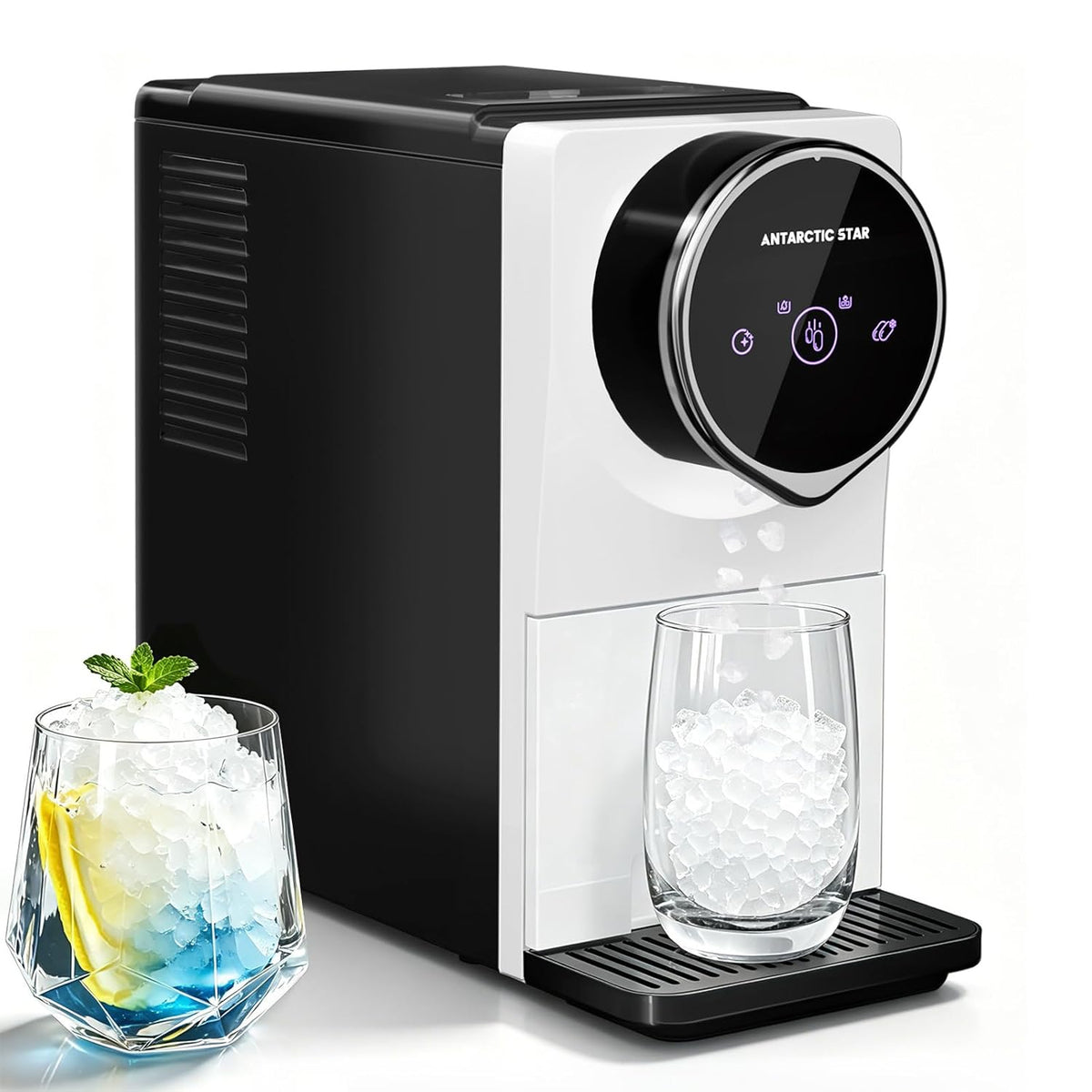
33 lb Gen 2 Penguin Nugget Ice Maker
Produces up to 33 lb of soft, chewable nugget ice per day, with the first batch ready in about 10–15 minutes. It also features touchscreen dispensing and self-cleaning.
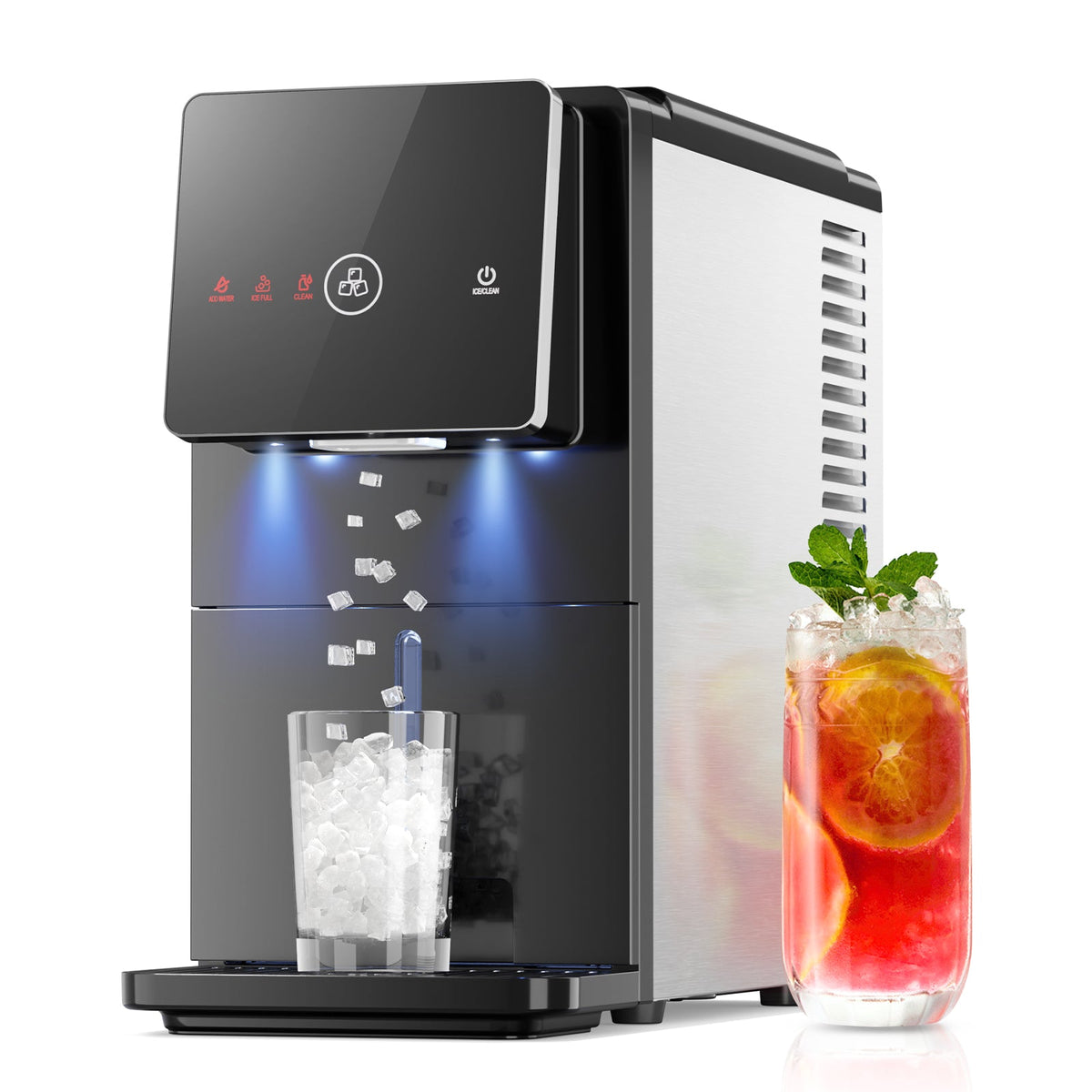
33 lb Touch-Free Nugget Ice Maker
Produces up to 33 lb of soft nugget ice per day and starts making ice in about 10–15 minutes. One-touch dispensing, a removable 1.8 L water tank and self-cleaning make everyday use easier.
You can also compare Antarctic Star ice makers by ice type to find a model that fits your favorite drinks and routine.
Frequently Asked Questions
Are Clear Ice Cubes Better?
Clear ice cubes are better when drink presentation and slower dilution matter, especially for cocktails and spirits. Cloudy ice remains a practical choice for everyday drinks, blended beverages and quick cooling. The better option depends on how the ice will be used.
Is Cloudy Ice Safe to Drink?
Cloudy ice is usually safe if it is made with potable water in a clean appliance. The white appearance often comes from trapped air and minerals. Do not use ice that has an unusual color, unpleasant odor, visible debris or signs of mold.
Does Boiling Water Make Clear Ice?
Boiling water can reduce some dissolved gas, but it does not control the direction in which water freezes. The ice may still become cloudy in the center. Controlled or directional freezing is more reliable for producing clear ice.
Is Clear Ice the Same as Purified Ice?
No. Clear ice describes its appearance and freezing process, not a certified level of water purity. Clear ice can still be made with poor-quality water or handled improperly, so safe water and regular cleaning remain essential.
Why Did My Ice Maker Suddenly Start Making Cloudy Ice?
A sudden change can result from a different water source, mineral buildup or insufficient cleaning. Discard any ice with an unusual smell or color, and clean the machine according to the instructions for your specific model before making another batch.